How to Decide Which Features to Include in Your Custom Home
 Building a custom home presents both extraordinary opportunity and complex decision-making. With nearly unlimited design possibilities available when creating Greensboro custom homes, you face hundreds of choices about features, finishes, layouts, and systems. The challenge isn’t finding options – it’s determining which features align with your lifestyle, support your long-term needs, and represent wise investments in your home’s functionality and value.
This comprehensive guide draws on decades of custom homebuilding experience to help you navigate feature selection strategically. Whether you’re planning a luxury estate in the Summerfield area or a sophisticated family home in Greensboro, understanding how to prioritize and evaluate custom home features ensures your finished home perfectly reflects your vision while avoiding costly mistakes or regrets.
Understanding the Custom Home Feature Selection Process
Before diving into specific features, understanding the decision-making framework helps you approach choices systematically rather than becoming overwhelmed by endless possibilities.
Why Feature Selection Matters More in Custom Homes
Production homes offer limited choices within predetermined floor plans. Custom homes flip this entirely – every decision from ceiling heights to cabinet depths to window placement becomes your choice. This freedom allows you to create spaces that function exactly as you need them to, but it also requires careful consideration of how features work together, impact construction costs, and serve you over decades of living in the home.
Poor feature choices in custom homes are expensive to correct later. Unlike buying a production home where you accept compromises, custom building means you’re making permanent decisions about your living environment. Taking time upfront to evaluate options thoroughly prevents buyer’s remorse and ensures your investment delivers lasting satisfaction.
Essential Custom Home Features to Consider
The best custom features complement your existing lifestyle, anticipate your future needs, and enhance daily living in ways that justify their cost and complexity. These categories represent the most impactful feature decisions in custom home design.
Kitchen Design and Layout
The kitchen remains one of the most popular areas for custom features, and it’s easy to see why. Modern homes center around the kitchen for cooking, gathering, entertaining, and daily family interaction. If you love to cook and entertain guests in your home, a thoughtfully designed kitchen with generous space and high-end equipment transforms how you live in your home.
Key Kitchen Feature Considerations:
Layout and Size:
Kitchen size should match your cooking habits and entertaining style. Serious home cooks benefit from 250-400+ square feet with dedicated zones for prep, cooking, cleanup, and serving. Casual cooks may prefer 150-200 square feet that doesn’t sacrifice space from other areas. Consider whether you want an open concept connecting to living areas or a more traditional closed kitchen that contains cooking mess and noise.
Island Configuration:
Islands serve multiple functions – prep space, casual dining, visual barrier between kitchen and living areas, and social gathering point during parties. Size matters: 4×8 feet minimum for functionality, 5×10 feet or larger for seating and appliance integration. Determine whether you want cooktop, sink, or dishwasher in the island, as this affects plumbing and ventilation requirements.
Appliance Selections:
Professional-grade ranges (36-48 inches) require upgraded ventilation systems with 600-1200 CFM hoods. Built-in refrigeration offers seamless aesthetics but costs significantly more than freestanding options. Consider whether you need double ovens, steam ovens, warming drawers, or beverage refrigeration. These decisions affect both cabinetry design and utility infrastructure.
Storage Solutions:
Custom cabinetry allows perfect organization – pull-out spice racks, appliance garages, deep drawers for pots and pans, custom dividers for bakeware. Walk-in pantries (minimum 5×6 feet) provide abundant storage and eliminate upper cabinet needs for cleaner sight lines. Butler’s pantries between kitchen and dining room offer staging space for entertaining.
Specialty Features:
Pot filler faucets at the range ($800-1,500 installed), prep sinks in islands ($1,200-2,500 with plumbing), touchless faucets, integrated charging stations, and under-cabinet lighting enhance functionality. Consider whether these conveniences justify their costs in your daily routine.
Countertop Materials:
Quartz offers durability and low maintenance. Natural stone (granite, marble, quartzite) provides unique aesthetics but requires sealing. Solid surface materials offer seamless integration. Budget $80-200+ per square foot installed depending on material selection and edge profiles.
When to Scale Back Kitchen Features:
If you rarely cook, order takeout frequently, or don’t entertain at home, investing heavily in kitchen features delivers limited value. A well-designed but appropriately sized kitchen (150-180 square feet) with quality mid-range appliances serves occasional cooks perfectly while allocating budget to areas you’ll use more.
Flexible and Multi-Purpose Living Spaces
Not every room in your custom home needs a single, dedicated purpose. Thoughtful homeowners design spaces with flexibility to evolve as their lives change over years or decades of living in the home.
Why Flexible Spaces Matter:
Life changes – children grow up, careers shift, hobbies develop, aging parents move in, health needs evolve. Rooms designed for adaptability accommodate these changes without requiring additions or major renovations. Flexible spaces maximize your home’s long-term value and functionality.
Examples of Flexible Space Design:
Multi-Use Rooms:
Design a room that can function as a home office during work-from-home phases, transition to a home gym when you return to office work, serve as a guest bedroom when family visits, or convert to a craft room or hobby space as interests develop. This requires:
- Neutral design that works for multiple functions
- Adequate electrical outlets (8-12 on different circuits)
- Good natural light from multiple windows
- Closet or built-in storage that serves various purposes
- Flooring appropriate for different uses (hardwood, luxury vinyl)
- Soundproofing if it might become music room or gym
Bonus Rooms and Lofts:
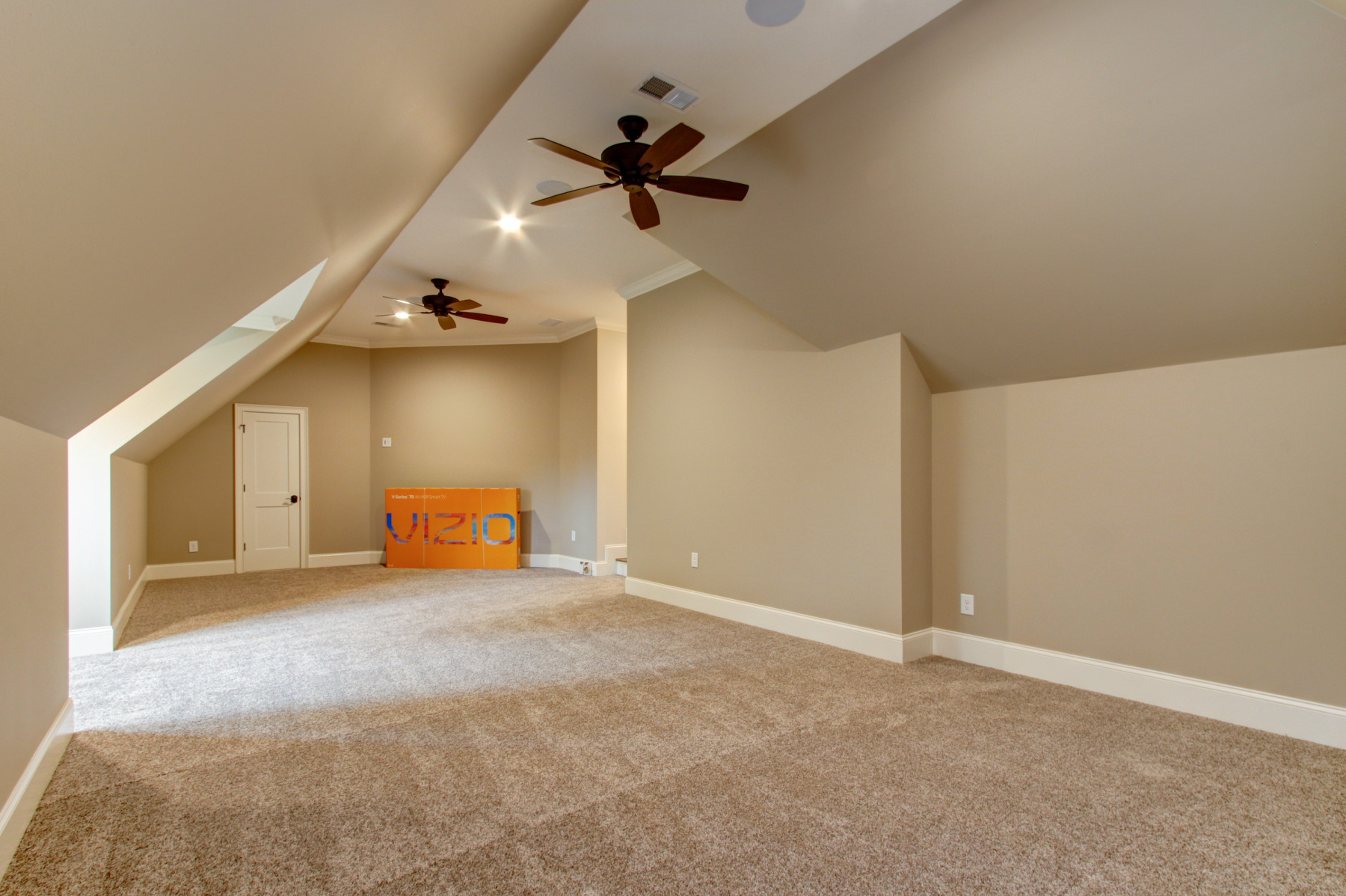
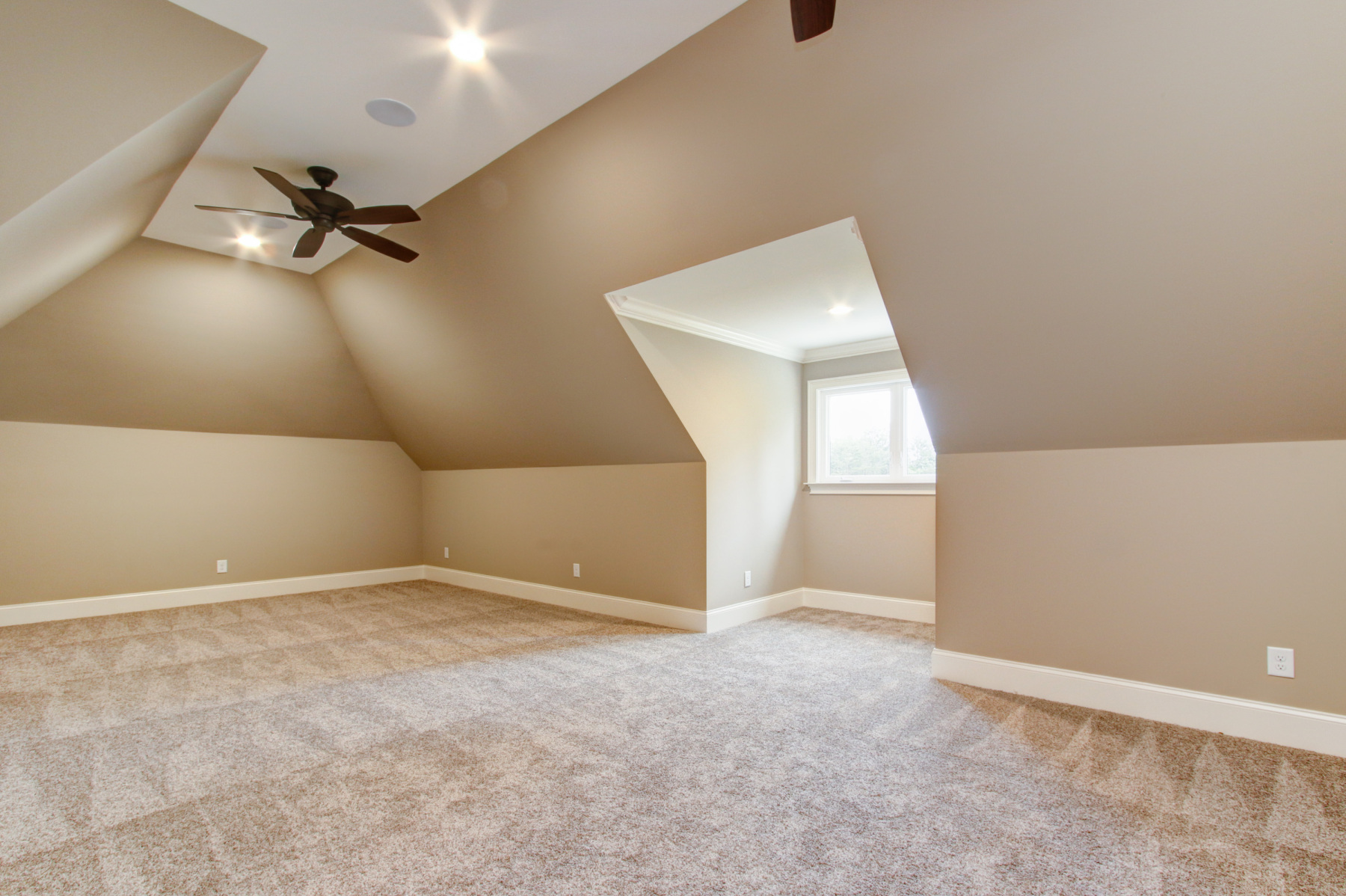
Second-floor bonus spaces work as children’s playrooms, teen hangout areas, media rooms, or eventually guest suites. Plan for future bathroom addition by roughing in plumbing during construction (costs $1,500-3,000 vs. $15,000+ later).
Finished Basements (where applicable):
North Carolina basements are less common than northern states, but when site conditions allow, finished basements offer tremendous flexibility. Design with separate entrance possibility for future in-law suite, home business, or rental income. Include full bathroom rough-in and adequate ceiling height (9 feet minimum for comfortable feel).
Main Floor Flex Rooms:
First-floor rooms positioned between living areas and private bedroom wings work beautifully as home offices, studies, or nurseries that can transition to other uses. Avoid designing them too specifically – neutral built-ins and finishes maintain adaptability.
Outdoor Rooms:
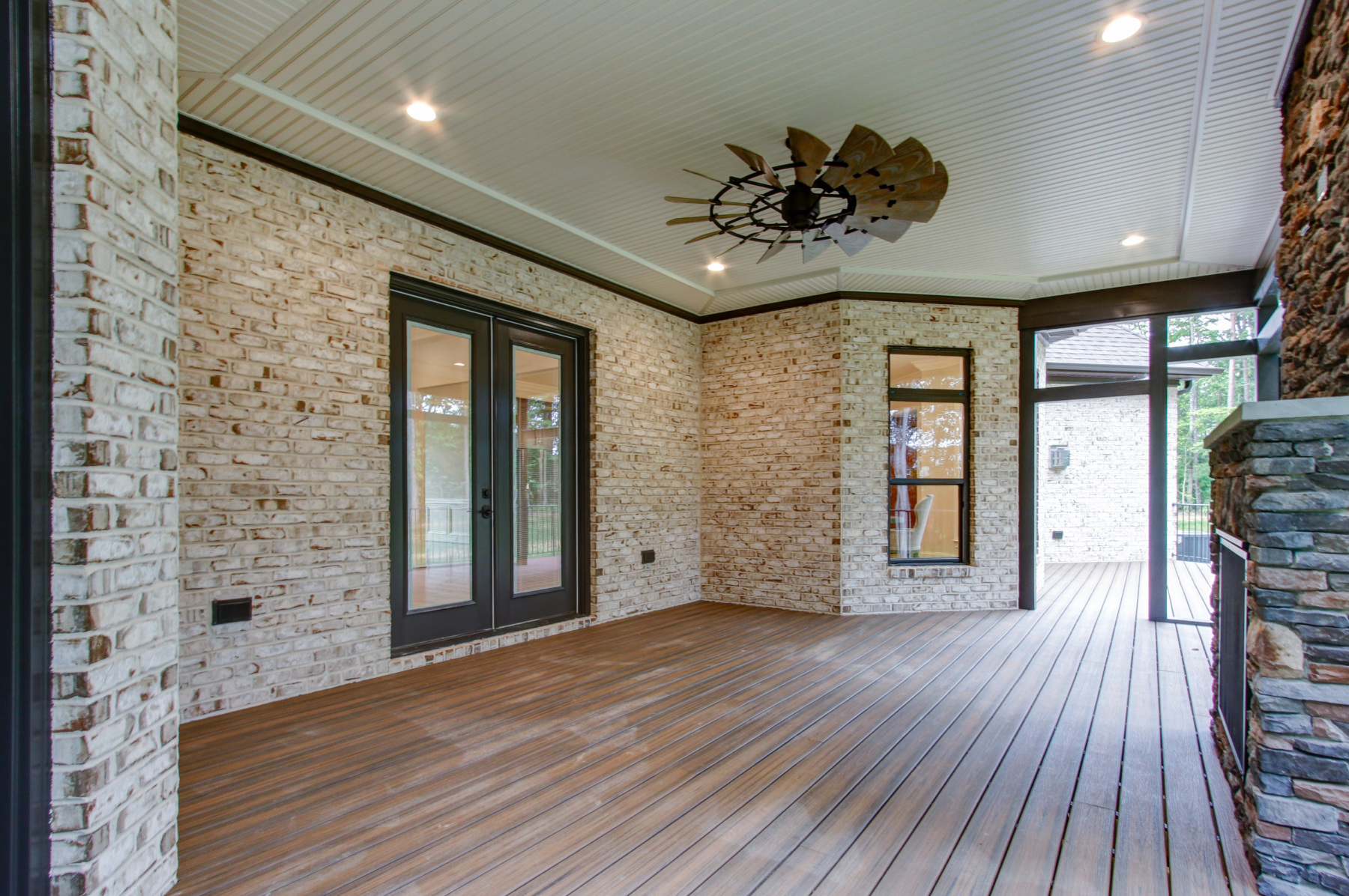
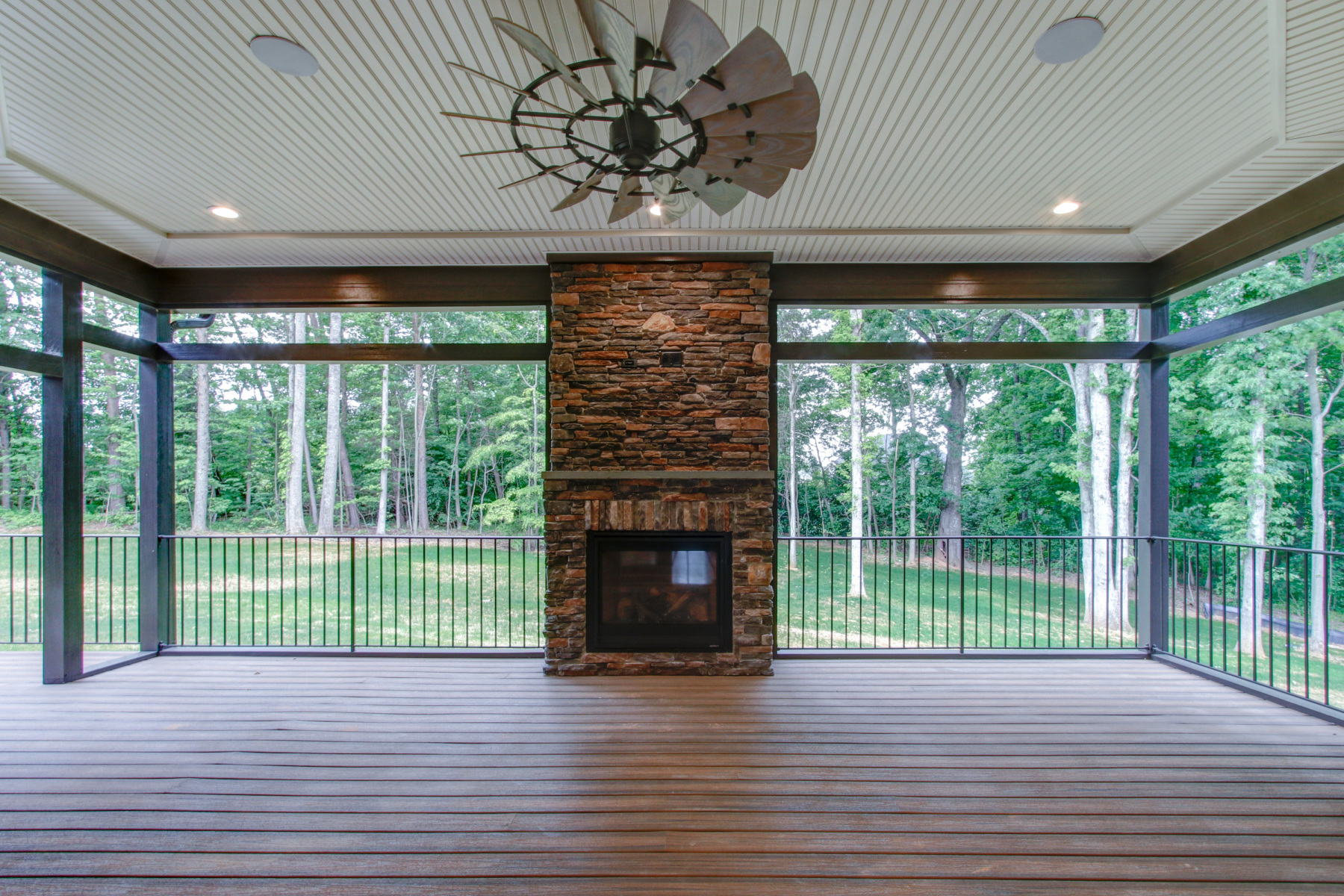
Covered porches and screened porches extend living space in North Carolina’s moderate climate. Design with infrastructure for future weather enclosures (heating/cooling rough-ins), outdoor kitchens (gas and electrical), or three-season room conversions.
Universal Design Elements:
Incorporate aging-in-place features subtly – wider doorways (36 inches), minimal thresholds, reinforced bathroom walls for future grab bars, first-floor bedroom suite option. These features serve everyone better and ensure your home accommodates changing mobility over decades.
Primary Suite Bathroom and Spa-Like Retreats
Another popular feature in custom homes is an expansive, luxurious bathroom attached to the primary bedroom. This bathroom serves as a private retreat where you can relax and unwind at the end of the day, making it worth the investment for most homeowners.
Essential Primary Bath Features:
Space Allocation:
Minimum 100-120 square feet for functional luxury bathroom with shower and soaking tub. Many Greensboro custom homes dedicate 150-250+ square feet to create true spa experiences. Consider separate water closet (enclosed toilet room) for privacy when two people use the bathroom simultaneously.
Shower Design:
Walk-in showers without curbs or doors (doorless design) require minimum 4×6 feet to contain water spray. Most luxury showers measure 4×8 feet to 6×10 feet, providing room for built-in seating, multiple shower heads, and body sprays.
Shower Features to Consider:
- Rainfall shower head (8-12 inch diameter mounted overhead)
- Handheld shower wand for flexibility
- Body spray jets (2-6 jets at varying heights)
- Built-in bench (minimum 18 inches deep, 15-18 inches high)
- Niche for toiletries (recessed 3-4 inches, minimum 12×24 inches)
- Linear drain for clean modern look
- Frameless glass enclosure or doorless design
- Multiple shower controls and thermostatic valves
Soaking Tubs:
Freestanding tubs create focal points and luxurious aesthetics. Expect 60-72 inches long, requiring 8-10 square feet including surround space. Position near windows for views (with appropriate privacy solutions) or create architectural features around them. Fill time matters – standard residential water heaters may take 15-20 minutes to fill large tubs. Consider dedicated hot water systems or tankless heaters for luxury bathrooms.
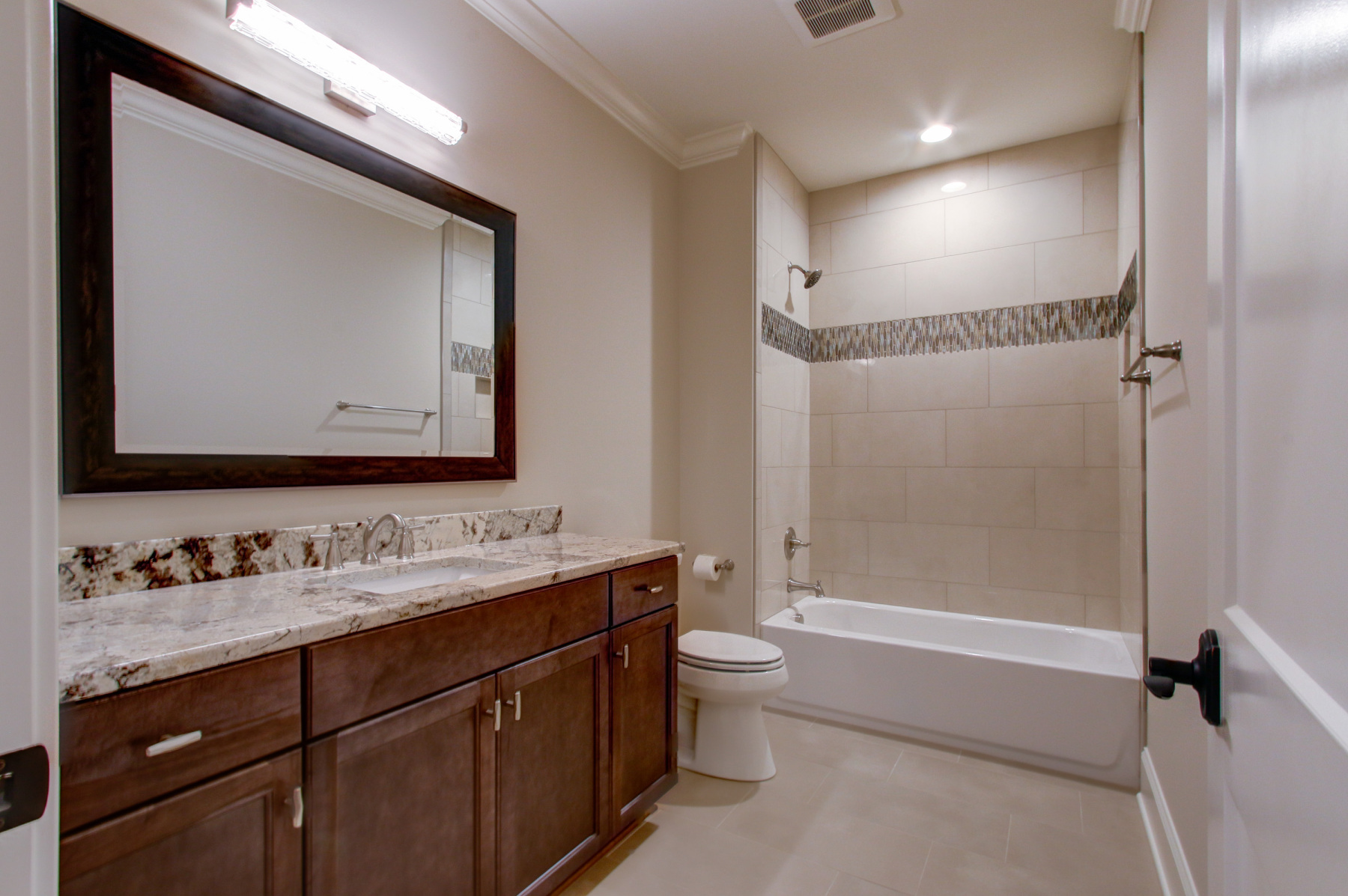
Double Vanity Considerations:
Minimum 60 inches wide for functional double vanity, 72-84 inches for comfortable use, 96-120+ inches for luxury spacing. Height options include standard 36 inches or comfort height 42 inches (better ergonomics for most adults). Determine whether you want vessel sinks (sit on top of counter), undermount sinks (seamless look), or integrated sinks (carved from countertop material).
Storage and Organization:
Custom bathroom cabinetry allows perfect organization – electrical outlets inside drawers for charging toothbrushes and razers, divided drawers for cosmetics, pull-out hampers, towel warming drawers. Linen closets inside the bathroom eliminate trips to hallway closets.
Lighting Design:
Bathroom lighting requires multiple layers – ambient lighting (recessed cans, ceiling fixtures), task lighting at vanities (wall sconces at eye level on both sides of mirror prevent shadows), accent lighting (under-cabinet, toe-kick), and dimming capability. Natural light from windows enhances daytime experience but requires privacy solutions (frosted glass, plantation shutters, strategically placed windows).
Heated Floors:
Radiant floor heating transforms bathroom comfort in winter months. Electric systems cost $12-20 per square foot installed and add minimal operating costs ($30-60 annually for typical bathroom).
Technology Integration:
Bluetooth speakers for music, smart mirrors with integrated lighting and defogging, digital shower controls with preset temperatures, towel warmers, and heated toilet seats elevate the daily experience.
When Elaborate Bathrooms Make Sense:
Primary bathroom luxury features justify their cost when you value daily relaxation rituals, spend significant time in bathroom spaces, or view your home as long-term residence where small daily improvements compound over years. If you take quick showers and don’t use baths, a beautiful but simpler bathroom design serves you better while allocating budget elsewhere.
Built-In Storage Solutions and Organization Systems
No one has ever complained about having too much storage space in their home. Inadequate storage leads to cluttered living spaces, items stored in wrong locations, and constant frustration finding what you need. Custom homes allow you to plan storage strategically for how your household actually functions.
Mudroom and Entry Storage:
Dedicating a spot specifically for staying organized as family members enter and exit the home, such as including a mudroom in the floor plan, is a great start for families with children or active lifestyles. Effective mudrooms include:
Size and Location:
Minimum 6×8 feet for functional mudroom serving family of four, 8×10 feet or larger for households with multiple children or serious sports equipment. Position between garage and main living areas to intercept mess before it enters the home.
Mudroom Features:
- Built-in bench (18 inches deep, 18 inches high) for putting on shoes
- Cubbies or lockers for each family member (minimum 15 inches wide, 18 inches deep, 72 inches high)
- Hooks at multiple heights for coats, bags, dog leashes
- Shoe storage (open cubbies, pull-out drawers, or enclosed cabinets)
- Counter space for setting down items when entering
- Sink for washing hands, cleaning muddy boots, or dog washing
- Washer/dryer location or chute to laundry room
Alternative Entry Solutions:
Homes without space for dedicated mudrooms can incorporate built-in benches with storage in entry halls, coat closets with custom organization systems, or garage entry areas with wall-mounted organization systems.
Garage Storage and Organization:
Oversizing your garage provides tremendous storage value at relatively low cost per square foot. Standard two-car garages measure 20×20 feet (400 square feet). Consider 24×24 feet (576 square feet) or larger to accommodate:
- Two vehicles with comfortable door opening clearance
- Wall-mounted cabinets and shelving systems
- Workbench for projects and repairs
- Seasonal item storage (holiday decorations, camping gear)
- Sports equipment (bicycles, kayaks, golf clubs)
- Lawn and garden equipment
- Workshop area if desired
Garage storage systems include wall-mounted slatwall with adjustable hooks and shelves, overhead ceiling storage racks for seasonal items, and built-in cabinetry for cleaner aesthetics and dust protection.
Kitchen Pantry Storage:
Walk-in pantries transform kitchen functionality and eliminate the need for extensive upper cabinets:
- Minimum 5×6 feet for functional walk-in pantry
- 6×8 feet or larger for families who buy in bulk or cook frequently
- Adjustable shelving on three walls
- Adequate lighting (motion-sensor LED)
- Counter space for small appliances used occasionally
- Additional freezer or refrigeration if desired
Butler’s pantries between kitchen and dining areas provide staging space during entertaining, store serving pieces and china, and may include second sink, beverage refrigeration, or coffee station.
Bedroom Closet Design:
Primary bedroom closets in custom homes typically range from walk-in (minimum 6×8 feet) to true dressing rooms (10×12 feet or larger). Consider:
- Separate his/her closets vs. shared large closet
- Hanging space for different clothing lengths (long dresses, pants, shirts)
- Shoe storage (average person owns 20-30 pairs)
- Drawer systems for folded items
- Island with jewelry drawers and accessory storage
- Full-length mirror and adequate lighting
- Bench or seating area
- Window for natural light (rare but desirable)
Secondary bedroom closets should be 4-6 feet wide minimum, with adjustable systems that adapt as children grow or guest needs change.
Linen and Utility Storage:
Hall linen closets need 24-30 inches deep shelving to accommodate folded towels and bedding. Position near bathrooms for convenient access. Utility closets house water heaters, HVAC equipment, and storage – oversize by 2-3 feet in each dimension to store cleaning supplies, vacuums, and household maintenance items.
Specialty Storage Solutions:
- Wine storage (climate-controlled cellar, wine refrigeration, or racking)
- Gift wrap room or craft storage with counter workspace
- Seasonal decoration storage (Christmas items alone can require 50-100 cubic feet)
- Home office filing and supply storage
- Exercise equipment storage if not dedicated gym space
- Hobbies and collections (china, books, memorabilia)
Smart Home Technology and Integrated Systems
Modern custom homes integrate technology seamlessly into daily living, enhancing security, convenience, efficiency, and entertainment. Planning smart home infrastructure during construction costs far less than retrofitting later.
Essential Smart Home Categories:
Lighting Control Systems:
Whole-home lighting control allows you to adjust lights from wall keypads, smartphones, or voice commands. Create scenes for different activities (entertaining, movie watching, bedtime) that adjust multiple lights with one command. Dimming capability on all lights extends bulb life and creates ambiance. Budget $8,000-20,000+ for whole-home systems depending on home size and fixture count.
Climate Control:
Smart thermostats (Nest, Ecobee, Honeywell) learn your schedule and preferences, adjust automatically for efficiency, and allow remote control. Multi-zone HVAC systems provide different temperatures in different areas – bedroom wing, living areas, home office. This requires additional equipment but dramatically improves comfort and efficiency in larger homes.
Security and Monitoring:
Integrated security systems include door/window sensors, motion detectors, glass break sensors, video doorbells, and security cameras. Smart locks allow keyless entry and remote access management. Whole-home monitoring extends to water leak detection, smoke/CO detection, and even temperature monitoring when you’re away.
Audio/Visual Systems:
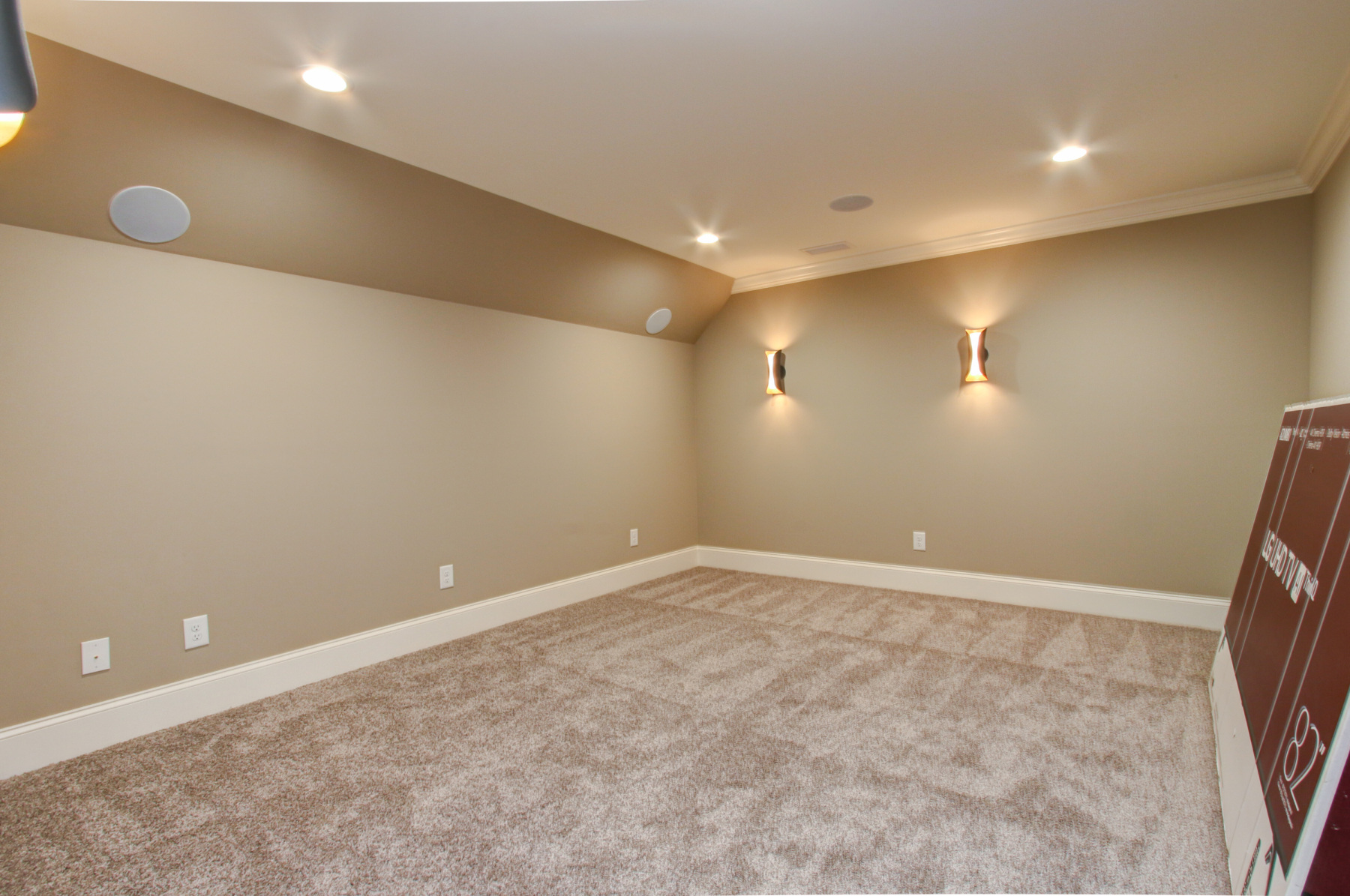
Whole-home audio with ceiling-mounted speakers in living areas, patios, and outdoor spaces. Pre-wire for future technology by running conduit paths even if not installing systems immediately. Dedicated home theater rooms require acoustic treatments, tiered seating, appropriate lighting control, and equipment storage.
Network Infrastructure:
Robust Wi-Fi coverage throughout home and outdoor areas requires professional planning in larger homes. Wired ethernet connections in offices, media rooms, and smart TV locations ensure reliability. Network equipment closet houses servers, routers, and system controls.
Smart Home Integration:
Platforms like Control4, Crestron, or Savant integrate all systems (lighting, climate, security, audio/video) into unified control. This costs more upfront but provides seamless operation and enhances home value.
Motorization and Automation:
Motorized window treatments for large windows and hard-to-reach locations. Automated garage doors with smartphone control and alerts. Motorized screens for porches. These conveniences improve daily life and become expected in luxury homes.
Technology Planning Tips:
- Plan infrastructure during design phase (conduit paths, equipment closet locations)
- Anticipate future needs even if not installing systems immediately
- Work with experienced technology integrators familiar with custom homes
- Budget 2-5% of total construction costs for smart home systems depending on sophistication
Energy Efficiency and Sustainability Features
High-performance homes cost more initially but deliver lower operating costs, enhanced comfort, and future-proofing against rising energy prices. Many efficiency features qualify for tax credits or utility rebates that offset costs.
Building Envelope Efficiency:
Insulation Above Code Minimum:
North Carolina code requires R-30 to R-38 attic insulation depending on location. Consider R-49 to R-60 in attic for superior performance. Wall insulation code is R-13 to R-20; consider R-21 to R-23 with advanced framing techniques or closed-cell spray foam.
High-Performance Windows:
Standard builder windows offer U-factor 0.30-0.35. Upgrade to U-factor 0.22-0.28 windows for 25-30% better insulation value. Consider Low-E coatings, argon gas fills, and appropriate Solar Heat Gain Coefficient (SHGC) for North Carolina climate (0.25-0.30 SHGC balances heat rejection with winter solar gain).
Air Sealing:
Professional air sealing using spray foam, caulk, and weatherstripping at all penetrations prevents drafts and wasted energy. Target 3 ACH50 or lower (air changes per hour at 50 pascals pressure) for high-performance homes vs. code-required 5-7 ACH50.
HVAC System Efficiency:
Right-Sizing Equipment:
Properly sized HVAC equipment based on actual load calculations (Manual J) rather than rules of thumb ensures efficiency and comfort. Oversized equipment short-cycles, reducing efficiency and comfort. High-efficiency systems include:
- Variable speed air handlers that adjust output to match load
- Two-stage or variable-speed compressors
- SEER2 16-20+ for cooling (code requires 14.3-15 depending on system type)
- AFUE 95%+ for gas furnaces or heat pump HSPF2 8.5-10+
Duct System Design:
Properly designed and sealed ductwork prevents the 20-30% energy loss typical in poor installations. Consider locating ducts in conditioned space (inside insulation envelope) for best efficiency.
Zoned Systems:
Multiple HVAC zones allow different temperatures in different areas and prevent heating or cooling unoccupied spaces. Essential in larger homes or homes with temperature-sensitive uses (wine cellars, home gyms).
Renewable Energy:
Solar Panels:
North Carolina’s solar resources make photovoltaic systems viable. Typical residential system (6-10 kW) offsets 50-80% of electrical usage, costs $15,000-25,000 after federal tax credits, and payback period is 8-12 years depending on utility rates and system size. Roof design affects solar viability – south-facing roof planes with minimal shading work best. Design roof structure for future panel installation even if not installing immediately.
Geothermal Heat Pumps:
Ground-source heat pumps offer highest efficiency heating and cooling by leveraging stable ground temperatures. Systems cost $20,000-40,000 more than conventional HVAC but operating costs are 30-60% lower. Viability depends on lot size and soil conditions. Most cost-effective when replacing both heating and cooling systems.
Water Efficiency:
Tankless Water Heaters:
On-demand water heaters provide endless hot water and eliminate standby losses from tank heaters. Higher upfront cost ($2,500-4,500 installed vs. $1,200-2,000 for tank) but 20-30% lower operating costs. Require larger gas lines for gas models or significant electrical upgrades for electric models.
Low-Flow Fixtures:
Modern low-flow fixtures (2.0 gpm faucets, 1.8 gpm showerheads) maintain performance while reducing water consumption by 30-40% compared to older fixtures. Required by code but higher-quality fixtures offer better experience.
Sustainable Materials:
FSC-certified lumber, rapidly renewable materials (bamboo, cork), recycled content products, and low-VOC paints and finishes improve indoor air quality and reduce environmental impact. These often cost the same or slightly more than conventional alternatives.
Outdoor Living Spaces and Landscape Integration
North Carolina’s moderate climate makes outdoor living spaces among the most used and valued features in custom homes. Well-designed outdoor areas extend your living space and enhance quality of life year-round.
Covered Porch and Patio Design:
Size Considerations:
Minimum 12×12 feet for functional covered porch with seating, 16×20 feet for outdoor dining and living areas, 20×30 feet or larger for full outdoor living rooms with multiple furniture groupings. Deep porches (14-16 feet) provide better weather protection and create defined outdoor rooms.
Ceiling Heights:
Minimum 9 feet for comfortable proportions, 10-12 feet for more open feel and better air circulation. Vaulted or shed roof configurations add visual interest and allow ceiling fans without feeling closed in.
Essential Features:
- Ceiling fans (at least one per 150 square feet)
- Recessed lighting and accent lighting for evening use
- Weatherproof electrical outlets every 6-8 feet
- Gas line stub-outs for future outdoor kitchen or fire feature
- Durable flooring (stained concrete, tile, or specialty porch flooring)
- Trim details and railing design that complements home architecture
Screened Porch Considerations:
Screen porches extend usability by excluding insects while maintaining airflow and views. Include retractable screens or windows for three-season flexibility. Budget $35-60 per square foot for screening systems depending on quality and operability.
Outdoor Kitchen and Dining:
Basic Outdoor Kitchens ($8,000-15,000):
- Built-in gas grill (36-42 inches)
- Refrigerator
- Storage cabinets
- Countertop space
- Running water and sink
Luxury Outdoor Kitchens ($20,000-50,000+):
- Professional-grade grill and smoker
- Side burners and warming drawers
- Beverage refrigeration and kegerator
- Ice maker
- Pizza oven
- Bar seating area
- Weatherproof cabinetry and stone counters
Fire Features:
Fire Pits:
Gas fire pits ($2,500-6,000 installed) provide ambiance and gathering space with no smoke or maintenance. Wood-burning pits ($800-2,500 installed) offer authentic experience but require more upkeep. Position 10-15 feet from seating for comfortable warmth.
Outdoor Fireplaces:
Full outdoor fireplaces with stone or brick surrounds create architectural focal points and usable heat. Gas models ($5,000-12,000) offer convenience. Wood-burning models ($8,000-20,000) provide authentic ambiance but require chimneys and more maintenance.
Pool and Spa Considerations:
Swimming Pools:
In-ground pools in North Carolina range from $40,000 for basic gunite pools to $100,000+ for luxury designs with vanishing edges, custom tile work, and integrated spas. Consider:
- Long-term maintenance costs ($150-300 monthly)
- Insurance impacts ($300-800 annual increase typical)
- Utility costs for heating and circulation
- Resale implications (pools appeal to some buyers, deter others)
- Safety features and fencing requirements
- Year-round usability in NC climate (6-7 months typically)
Spas and Hot Tubs:
Above-ground spas ($4,000-12,000) offer relaxation without pool commitment. Built-in spas integrate with pool designs or stand alone as water features. Year-round usability in North Carolina climate makes spas good value for many homeowners.
Landscape Architecture:
Professional landscape design integrates hardscaping (patios, walkways, retaining walls) with plantings to create cohesive outdoor environments. Budget 10-15% of home construction cost for complete professional landscaping or phase installation over 2-3 years to spread costs.
Site-Specific Considerations:
- Drainage and grading requirements
- Mature tree preservation
- Privacy screening from neighbors
- Views to preserve or create
- Slope management and terracing
- Irrigation system installation
- Outdoor lighting for safety and ambiance
Home Office and Remote Work Spaces
Remote work shifted from occasional option to permanent reality for many professionals. Custom homes designed with dedicated, well-equipped office space better serve modern work patterns.
Office Location in Floor Plan:
Isolated from Household Activity:
Position offices away from kitchens, playrooms, and high-traffic areas to minimize noise and interruptions during video calls. Front of house locations work well – professional impression for clients visiting and separation from family activities.
Natural Light Access:
Windows on two walls provide excellent daylighting and reduce eye strain from screens. Position desk to avoid glare on monitors (perpendicular to windows rather than facing them directly).
Size Considerations:
Minimum 10×10 feet for single-occupant office with desk and storage, 12×14 feet for comfortable workspace with filing and bookshelves, 14×16 feet or larger for two-person offices or consultation spaces.
Essential Office Features:
Technology Infrastructure:
- Hardwired ethernet connection for reliable internet (Wi-Fi as backup)
- Abundant electrical outlets (minimum 8-12 on different circuits)
- Dedicated circuit for equipment to prevent overloading
- Cable management solutions (in-desk grommets, wall-mounted channels)
- Phone line if still required for business
Acoustic Treatment:
Sound insulation in walls (additional insulation, resilient channels, double drywall) prevents household noise intrusion. Solid core door improves sound isolation. Acoustic panels or fabric wall coverings absorb echo for clearer video calls.
Storage and Organization:
- Built-in cabinetry for files and supplies
- Bookshelves for reference materials
- Closet for office supplies and equipment storage
- Display space for certifications, awards, or professional materials
Lighting Design:
Layered lighting includes overhead ambient lighting (recessed cans), task lighting (desk lamps with adjustable arms), and accent lighting. All lights should have dimming capability. Natural daylight provides best lighting but needs supplemental artificial lighting for evening work and cloudy days.
Alternative Office Approaches:
- Bonus room conversion for office (may need bathroom access added)
- Built-in office nooks in lofts or landing areas (suitable for occasional use)
- Finished basement offices (ensure adequate natural light and ceiling height)
- Guest bedroom/office combination with Murphy bed or sleeper sofa
Aging-in-Place and Universal Design Features
Many custom homeowners plan to live in their homes for decades. Incorporating universal design principles ensures your home remains comfortable and accessible as mobility and health needs evolve, without looking institutional or clinical.
Barrier-Free Design Elements:
Single-Floor Living Option:
Design with primary bedroom suite, laundry, and essential living spaces on main floor. This allows full home functionality without stairs if mobility becomes limited. Two-story homes should plan for future elevator installation (8-10 square foot shaft space on stacked floor locations).
Doorway Widths:
36-inch doors (vs. standard 32-inch) throughout home accommodate wheelchairs and walkers while looking appropriate in any home. Zero-threshold entries eliminate tripping hazards and ease transitions between rooms and to outdoor spaces.
Hallway Dimensions:
48-inch wide hallways (vs. standard 42-inch) allow wheelchair turning radius and easier navigation with mobility aids. This subtle difference costs little during construction but enables long-term accessibility.
Bathroom Planning:
Curbless Showers:
Walk-in showers without curbs accommodate wheelchairs while trending in luxury bathroom design. All custom homes benefit from this feature regardless of current mobility.
Reinforced Walls:
Install blocking in bathroom walls for future grab bar installation. This costs $200-400 during construction vs. $2,000-3,000 to retrofit later. Grab bars can be added later only when needed.
Vanity Design:
Consider knee space under one sink in double vanity for seated use. This looks like design choice rather than accessibility feature.
Kitchen Adaptability:
Counter Heights:
Multi-height counters (30 inches, 36 inches, 42 inches) serve different tasks and users. At least one lower section enables seated food preparation if needed.
Open Base Cabinets:
One section of base cabinetry without toe kick and with knee space (minimum 30 inches wide, 27 inches high, 19 inches deep) allows seated work.
Easy-Reach Storage:
Pull-out shelves, lazy susans, and drawer-based storage eliminate need to reach deep into lower cabinets or stretch for upper cabinets.
General Design Strategies:
- Rocker-style light switches (easier for limited hand strength)
- Lever door handles throughout (easier than knobs)
- Non-slip flooring materials
- Adequate lighting (aging eyes require 2-3x more light)
- Handrails on both sides of all staircases
- Contrasting colors for depth perception (darker baseboards against lighter floors)
How to Prioritize Custom Home Features
With dozens of possible features to consider across all these categories, how do you know which ones to prioritize? This strategic framework helps you make confident decisions about feature selection.
Start with Your Must-Have Features
Begin by writing down your absolute must-have features that you are positive you want to include. These non-negotiable elements should meet one or more of these criteria:
Daily Impact Features:
Features you’ll use or benefit from every single day justify their cost through constant value. Examples include kitchen layout that matches your cooking habits, primary bathroom design that enhances morning and evening routines, or home office if you work remotely full-time.
Lifestyle-Defining Features:
Some features enable the lifestyle you’re building this home to support. Serious entertainers need appropriate kitchen and dining spaces. Outdoor enthusiasts need mudrooms and storage for gear. Multi-generational households need privacy zones and flexible spaces. Pool installation matters enormously to families who will use it regularly, but wastes resources for those who won’t.
Long-Term Value Features:
Features that enhance your home’s quality and durability over decades justify premium investment even if not used daily. Examples include superior insulation and HVAC systems, high-quality windows, durable materials, and whole-home infrastructure (electrical, plumbing, technology).
Difficult-to-Add-Later Features:
Any feature requiring significant structural work, major systems changes, or extensive disruption costs far more to add after construction. Examples include additional bathrooms (plumbing), basement finish (if doing foundation work), outdoor covered spaces (roofline integration), and smart home infrastructure (pre-wiring).
Create Your Nice-to-Have List
After defining must-haves, list features you’d enjoy but could live without. These nice-to-have features improve your home but don’t fundamentally define how you’ll use it. Examples might include:
- Upgraded luxury features beyond functional requirements
- Bonus rooms or spaces not essential to daily living
- Premium finishes in secondary areas
- Elaborate built-ins in spaces beyond primary areas
- Technology features that enhance rather than enable lifestyle
Apply the Cost-Benefit Analysis Framework
Evaluate each potential feature using these questions:
Frequency of Use:
How often will you actually use this feature? Daily use features justify higher investment than weekly or monthly use features. Be honest about your habits – that wine cellar seems appealing but means little if you drink wine casually rather than collecting seriously.
Quality of Life Impact:
How significantly will this feature improve your daily experience? Features that eliminate frustrations, enhance comfort, or enable important activities deliver high value regardless of cost.
Alternative Solutions:
Can you achieve similar benefits through simpler, less expensive approaches? Sometimes scaled-back versions of features deliver 80% of the benefit at 40% of the cost.
Long-Term Relevance:
Will you value this feature in 5, 10, 20 years? Trendy features may date quickly while timeless design choices remain appreciated. Consider how your needs might evolve – young children become teenagers, remote work could shift to office work, health needs may change.
Resale Considerations:
While you shouldn’t build solely for resale, understanding which features add value and which are personal preferences helps with decisions. Universal appeal features (primary suite quality, storage, outdoor living) typically return value. Highly personalized features (dedicated hobby rooms, extensive wine cellars) may not.
Budget Proportion:
Does this feature’s cost align with its importance to you? Spending 20% of construction budget on a feature you’ll rarely use diverts resources from features that matter more to daily living.
Consider the 80/20 Rule of Feature Selection
Often, 20% of features deliver 80% of your satisfaction with the finished home. These tend to be:
- Fundamental layout and flow of spaces
- Kitchen functionality and design
- Primary suite comfort and privacy
- Natural light and architectural proportions
- Outdoor living integration
- Storage adequacy throughout
Remaining 80% of features deliver 20% of satisfaction – still important but not the core of your home’s success.
Work Within Your Budget Reality
Custom homes require difficult trade-offs between desired features and financial limits. Strategies for staying within budget while maximizing value:
Value Engineering Without Cheapening:
Identify areas to reduce costs without impacting quality or function. Examples include smaller room dimensions that still function well, standard ceiling heights in secondary spaces while splurging on main living areas, or builder-grade fixtures in laundry and utility areas while investing in visible spaces.
Phasing Implementation:
Some features can be added later without significant cost penalty. Examples include landscape elements, pool installation, finished basement spaces (if roughed-in during initial construction), or technology systems (if infrastructure installed initially). Building the home to accommodate future additions costs less than retrofitting but allows spreading expenses over time.
Splurge vs. Save Strategy:
Identify 3-5 areas most important to you and specify premium features there, then use high-quality but standard options everywhere else. This focuses resources where they matter most to you while maintaining overall home quality.
The Role of Professional Guidance
Experienced custom home builders guide feature selection based on:
Building Experience:
Having built hundreds of homes, professional builders know which features clients use consistently and which seem appealing but prove less valuable in practice. They can share honest feedback about feature performance over years of homeowner satisfaction data.
Design Integration:
Builders and architects help you understand how features work together. That elaborate kitchen makes less sense without appropriate dining and entertaining spaces. Home office location affects its utility. Features should complement rather than compete with each other.
Construction Realities:
Some feature combinations create conflicts or complications during construction. Professionals identify these issues during planning rather than discovering problems mid-construction when solutions become expensive.
Cost Guidance:
Detailed cost estimating shows real financial impacts of feature choices, allowing informed trade-off decisions. This transparency helps you optimize budget allocation.
Local Market Knowledge:
Understanding Greensboro and Triad area building costs, custom home lots characteristics, and buyer preferences helps guide decisions that make sense for this specific market.
Regional Considerations for Greensboro and Triad Custom Homes
Building in the Greensboro and Triad area of North Carolina brings specific considerations that affect feature selection and design priorities.
Climate-Responsive Design
Humid Subtropical Climate:
Greensboro experiences hot, humid summers and mild winters. This affects feature priorities:
Cooling Efficiency Critical:
Summer cooling drives highest utility costs, making efficient HVAC systems, quality windows with appropriate solar heat gain coefficients, and adequate attic insulation essential investments. Covered outdoor spaces should include ceiling fans for air circulation.
Outdoor Living Extended Season:
Comfortable outdoor temperatures from March through November (8-9 months) make outdoor living spaces among the most used and valued features. Invest accordingly in covered porches, patios, and outdoor amenities.
Humidity Management:
Whole-home dehumidification systems maintain 45-55% relative humidity for comfort and health. Particularly important in tightly sealed high-performance homes where natural air exchange is reduced.
Seasonal Temperature Swings:
20-25°F temperature differences between summer highs and winter lows require HVAC systems that both cool and heat efficiently. Heat pumps work well in this moderate climate.
Lot Characteristics and Landscape
Rolling Terrain:
Piedmont region features gentle to moderate slopes affecting:
- Basement opportunities (walkout or daylight basements more feasible on sloped lots)
- Drainage management and grading requirements
- Retaining wall needs and landscape terracing
- Driveway design and approach considerations
- View opportunities toward downhill directions
Clay Soil Predominance:
Heavy clay soils throughout the region affect:
- Foundation design and drainage requirements
- Landscape drainage systems essential
- Plant selection for landscape
- Grading and compaction specifications
Mature Tree Preservation:
Established Greensboro neighborhoods and wooded lots feature mature hardwoods (oak, hickory, poplar) worth preserving. Design homes to minimize tree impacts and create attractive natural settings.
Architectural Styles Common in Region
Understanding prevalent architectural preferences helps with design decisions and eventual resale considerations:
Traditional Styles Dominate:
Colonial, craftsman, and traditional architecture remain most popular in Greensboro and Triad custom home market. Contemporary or modern designs exist but represent smaller market segment. This doesn’t mean you can’t build contemporary style, but understand resale implications.
Brick and Stone Exterior Prevalence:
Brick (veneer or solid) remains standard in higher-end homes throughout region. Stone accents add interest and prestige. All-siding homes less common in luxury market. Budget significant exterior finish costs.
Covered Front Porches Expected:
Regional tradition and climate make covered front porches almost universal in custom homes. Deep front porches (8-10 feet) provide curb appeal and functional outdoor space.
Local Building Codes and Regulations
Guilford County Building Code:
Based on North Carolina State Building Code with local amendments. Key considerations include:
- Energy code requirements (moderate climate zone)
- Electrical code requirements
- Plumbing fixture efficiency standards
- Fire sprinkler requirements based on home size
- Setback requirements varying by zoning
Homeowners Association Requirements:
Many Greensboro and Triad subdivisions have architectural review processes requiring approval of exterior design, materials, colors, and site placement. Review HOA covenants before finalizing design.
Utility Infrastructure
Natural Gas Availability:
Natural gas service available in most Greensboro and Triad developed areas, making gas furnaces, water heaters, ranges, fireplaces, and outdoor kitchens cost-effective options. Some rural areas may require propane tanks.
Municipal Water and Sewer:
Available in city limits and many suburban areas. Some rural lots require well and septic systems adding $15,000-30,000 to site development costs.
Electric Utilities:
Duke Energy serves the region with generally reliable service. Underground electric service costs $3,000-8,000 more than overhead but provides cleaner aesthetics and fewer weather-related outages.
Working with Don Mills Builders on Feature Selection
Don Mills Builders brings decades of custom homebuilding experience in the Greensboro and Triad area to guide you through feature selection and design decisions.
Collaborative Design Process:
Initial Consultation:
Understanding your lifestyle, priorities, must-have features, and budget parameters shapes design approach from the beginning. This conversation informs every subsequent design decision.
Design Development:
Working with architects and designers, Don Mills translates your feature priorities into floor plans and specifications that function cohesively. This includes detailed discussions about how you’ll use spaces, feature integration, and cost implications of various choices.
Selection Process:
Guiding you through finishes, fixtures, materials, and systems selections ensures choices complement each other and align with overall design vision. Experience with hundreds of product lines helps identify quality options at various price points.
Value Engineering:
When budget constraints require adjustments, Don Mills identifies opportunities to maintain quality and functionality while reducing costs through smart substitutions, phasing strategies, or alternative approaches.
Construction Expertise:
Quality Craftsmanship:
Decades building custom homes establishes standards for construction quality, attention to detail, and proper execution of complex features. Your selected features are built correctly for long-term performance.
Subcontractor Relationships:
Established relationships with skilled trades ensure specialized features (custom cabinetry, stone work, technology systems) are installed by experienced professionals familiar with luxury home standards.
Project Management:
Coordinating the hundreds of decisions and dozens of trades required to build a custom home prevents costly mistakes, delays, and miscommunications that compromise feature quality.
Local Market Knowledge:
Greensboro and Triad Expertise:
Deep familiarity with local building conditions, lot characteristics, municipal requirements, and market preferences informs feature recommendations appropriate for this specific area.
Established Relationships:
Connections with local architects, engineers, suppliers, and municipal officials streamline processes and resolve issues efficiently.
Long-Term Commitment:
Warranty Support:
Standing behind completed homes with comprehensive warranties and responsive service ensures features continue performing as intended long after construction completion.
Client Satisfaction Focus:
Decades of custom homebuilding success stems from prioritizing client satisfaction over expedient shortcuts. Your happiness with feature selections and final home remains the primary measure of project success.
For assistance determining which custom home features best suit your lifestyle, property, and budget, or to begin planning your Greensboro custom home, reach out to Don Mills Builders today. Thoughtful feature selection guided by experienced professionals ensures your custom home delivers satisfaction and value for decades to come.
Frequently Asked Questions About Custom Home Features
What are the most important features to include in a custom home?
The most important features depend entirely on your lifestyle and how you’ll use the home daily. However, features that consistently deliver high value include: functional kitchen layout matching your cooking and entertaining habits, adequate storage throughout (closets, pantry, garage, mudroom), comfortable and private primary suite, flexible spaces that adapt to changing needs, and quality building envelope (insulation, windows, HVAC) for comfort and efficiency. Focus budget on features you’ll use every day and elements that are difficult or expensive to add later. Universal features that serve any household well typically justify investment over highly personalized features that may not appeal to future buyers.
How do I decide between must-have and nice-to-have features?
Must-have features meet at least one of these criteria: you’ll use them daily, they define the lifestyle you’re building the home to support, they add long-term quality and durability that justifies premium investment, or they’re difficult or expensive to add after initial construction. Nice-to-have features improve your home but aren’t essential to daily living. Test each feature by asking: “Would I be disappointed living in this home without this feature for 10-20 years?” If yes, it’s likely a must-have. Also consider whether scaled-back versions might deliver most of the benefit at lower cost – sometimes a good solution beats a perfect but unaffordable solution.
What custom home features add the most resale value?
Features that appeal to broad buyer audiences typically add the most value: updated, functional kitchens with quality appliances; primary suites with spa-like bathrooms; additional storage throughout; covered outdoor living spaces; energy-efficient systems and windows; and flexible spaces (home offices, bonus rooms). Features that serve specific interests (elaborate wine cellars, sport courts, hobby rooms) may not return their cost unless finding the right buyer. That said, build primarily for your own satisfaction rather than resale – you’ll live in the home far longer than you’ll sell it. Resale considerations should inform decisions but not drive them entirely.
How much should I budget for smart home technology?
Smart home technology typically ranges from 1-2% of construction cost for basic systems (smart thermostats, doorbell cameras, basic lighting control) to 3-5% for comprehensive integration (whole-home automation, security, audio/visual, lighting control, motorization). For a $500,000 custom home, expect $5,000-10,000 for basic technology or $15,000-25,000 for full integration. The most important decision is planning infrastructure during construction (conduit paths, equipment closet locations, adequate electrical service) even if not installing all systems immediately. Adding infrastructure later costs 3-5 times more than including during construction. Work with experienced technology integrators who can design systems that work reliably and integrate seamlessly.
Should I include a home office in my custom home design?
If you work from home regularly (2+ days per week), a dedicated home office significantly improves work quality and work-life separation. Position offices away from household activity for quiet during calls. Include hardwired ethernet, abundant electrical outlets, good natural light, and acoustic treatment. Minimum 10×10 feet for single occupant, 12×14 feet for comfortable workspace. If work-from-home patterns are uncertain, design a flexible room that works as office but can transition to other uses (guest room, hobby room, gym). Even if not needed immediately, include technology infrastructure and sound insulation during construction – these are difficult to add later.
What features help a home age in place?
Universal design features accommodate changing mobility without looking institutional: 36-inch doorways throughout (vs. standard 32-inch), zero-threshold entries between rooms and to outdoors, main-floor primary suite with laundry nearby, curbless walk-in showers, reinforced bathroom walls for future grab bars, wider hallways (48 inches vs. 42 inches), lever door handles instead of knobs, and adequate lighting. These features benefit everyone daily regardless of mobility, not just those with limitations. Consider future elevator shaft location in two-story homes (requires 8-10 square feet stacked on each floor). Adding these features during construction costs minimal amounts; retrofitting later becomes expensive and disruptive.
How do I balance current needs with future flexibility?
Design rooms with adaptability in mind – neutral built-ins and finishes that work for multiple uses, adequate electrical outlets for various configurations, good natural light, and appropriately sized spaces. Bonus rooms, flex spaces, and main-floor rooms positioned between public and private zones work well as offices, guest rooms, gyms, or hobby spaces as needs change. Rough-in plumbing for future bathroom additions during initial construction ($1,500-3,000 vs. $15,000+ later). Plan infrastructure for possible additions even if not building immediately. Avoid overly specific room designs that limit future uses – that elaborate train room delights enthusiasts but constrains future owners.
What outdoor features are most valuable in North Carolina?
North Carolina’s climate makes outdoor living spaces among the most used home features. Covered porches or patios (minimum 12×16 feet, ideally 16×20+ feet) provide 8-9 months of comfortable outdoor use. Include ceiling fans, lighting, electrical outlets, and consider gas line stubouts for future grills or fire features. Outdoor kitchens with built-in grills and refrigeration extend entertaining capabilities. Gas fire pits or fireplaces create gathering spaces for cool evenings. Swimming pools work well for families who will use them regularly (6-7 months seasonal use typically) but represent significant ongoing costs ($150-300 monthly maintenance, increased insurance and utilities). Consider privacy screening from neighbors and integration with landscape design.
How important is energy efficiency in custom home features?
Energy efficiency affects comfort and operating costs for the entire time you own the home. High-performance building envelope (superior insulation, quality windows, air sealing) and efficient HVAC systems cost 5-10% more during construction but reduce utility bills 30-50% annually while improving comfort significantly. These investments pay back in 5-8 years and continue saving money for decades. In Greensboro’s climate, focus on cooling efficiency (high SEER2 ratings, Low-E windows with appropriate solar heat gain coefficients, adequate attic insulation to R-49 or higher). Consider whole-home dehumidification for comfort in humid summers. Energy efficiency features also qualify for tax credits and utility rebates that offset initial costs.
What features do most homeowners regret not including?
Common regrets include: inadequate storage (closets, pantry, garage, mudroom), insufficient electrical outlets (especially in kitchens, offices, and garages), outdoor living spaces that are too small or lack weather protection, primary bathrooms that don’t include desired luxury features, home offices when work patterns shift after construction, technology infrastructure (adding later costs 3-5x more), and energy efficiency upgrades (paying difference between standard and high-efficiency during construction beats paying higher utility bills for 20-30 years). Less common regrets involve overbuilding – elaborate features that seemed appealing but go unused. This is why honest assessment of your actual habits and lifestyle matters more than aspirational thinking.
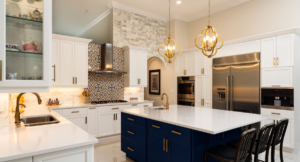 For the discerning homeowner seeking a residence that perfectly balances grandeur with practical living, the kitchen often stands as the heart of the home. In the realm of luxury custom homes, where spaciousness is a given, a crucial question arises: Can a kitchen truly be too big? As a
 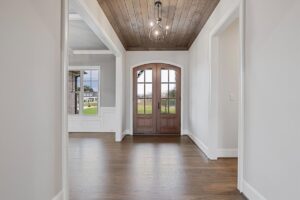 A great entryway can make a perfect statement when coming into a home. There is only one chance to make a first impression, after all, and the entryway is it. When a home designer gets this piece right, it seems like everything else just comes together around it.
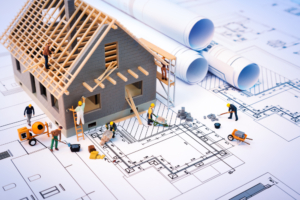 Building a custom home sounds like a dream come true. And, in many ways, it is. There are countless positives to this experience, and this article will touch on many of those points. To be fair, however, it’s also necessary to discuss some of the potential drawbacks, so you can have a balanced picture and decide what approach is best for you and your family.
 Creating a personal sanctuary within your home has become increasingly popular as more individuals seek to prioritize wellness and relaxation in their daily lives. The idea of incorporating wellness and home spa retreats into residential design reflects a growing desire to have a dedicated space where one can escape from the stresses of everyday life and focus on self-care. This trend toward wellness-focused home design is about more than just adding luxurious features; it’s about creating an environment that supports overall well-being and offers a sanctuary of tranquility and rejuvenation.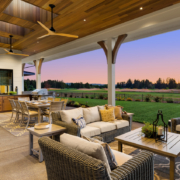
 Creating a luxurious outdoor living space has become an essential part of modern home design. As homeowners seek to extend their living areas beyond the confines of their interiors, outdoor spaces have evolved into sophisticated retreats where comfort, style, and functionality converge. This blog post explores the current trends and innovative ideas for crafting elegant outdoor living areas, focusing on landscaping, outdoor kitchens, relaxation zones, and more.
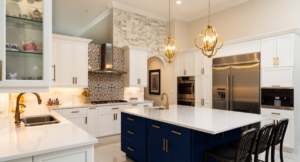 In many ways, it’s the kitchen that makes the house. There are plenty of other important factors when designing and building a home, of course, but if the kitchen isn’t right, everything else will fall flat. If you are planning on working with a
  Greensboro c